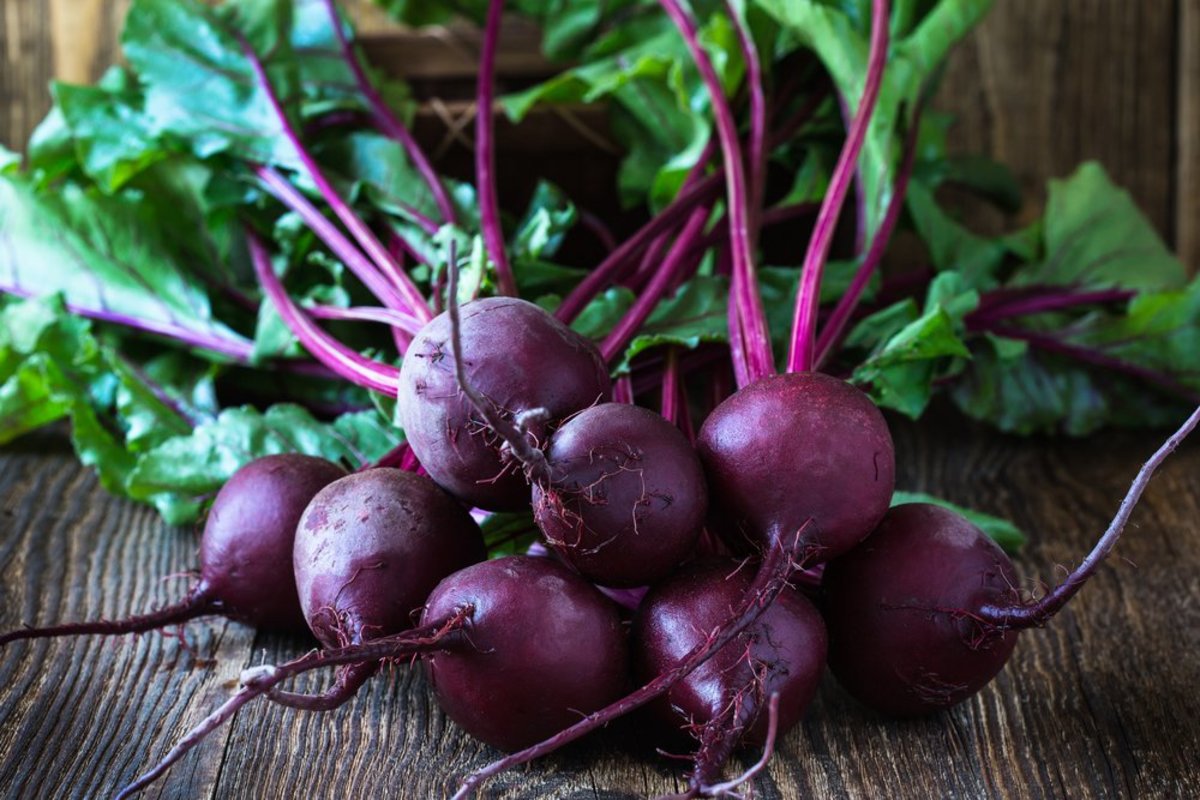
Eating purple fruits and vegetables is an easy and fun way to make sure you’re consuming a diverse array of nutrients and vitamins.
While some fruits and vegetables are purely purple of their own accord – such as blackberries and eggplant – some have been purposefully bred to be purple by nature, traditional agriculture, or selective breeding.
Why Are Purple Foods So Healthy?
Purple fruits and vegetables contain compounds called anthocyanins, which give foods that royal hue – anywhere from deep red-orange to striking violet to beautiful blue. Breeding plants with anthocyanins creates purple cauliflower, broccoli, carrots, potatoes and cabbage. Plants that contain anthocyanins are better protected against damage from sunlight, and the color also attracts bees and other pollinators.
A 2004 study conducted by the University of Illinois suggests that anthocyanins may help protect cells, heal the body, decrease inflammation, and lower the risk of heart disease and may reduce the risk of some forms of cancer. Purple cauliflower, broccoli, kale, and red cabbage also contain indoles, nutrients derived from sulfur compounds that may slow the metabolism of carcinogens according to WebMD. WebMD also notes that berries are good sources of ellagic acid, a phytochemical that may also help protect cell integrity.
In addition to the anthocyanins, indoles, and ellagic acid, these purple fruits and vegetables also contain all the expected nutritional components of fresh produce – such as vitamin A, B2, C, dietary fiber, potassium, and other phenols.
googletag.cmd.push(function()
googletag.display("div-gpt-ad-1462497055174-4");
googletag.pubads().refresh([adslot4]);
);
<!-- OA-In-Content
GA_googleFillSlot("OA-In-Content");
-->
What’s the Best Way To Cook Purple Fruits & Vegetables?
Because anthocyanins are water-soluble (able to dissolve in water), you’ll get the biggest bang for your buck when you eat these fruits and veggies raw, steamed, or roasted. Most purple vegetables are easy to prepare – just use them as you would their paler cousins. Toss berries into breakfast dishes, lunchtime salads, and desserts. Drizzle chopped veggies with olive oil, sprinkle with salt and pepper, toss to coat – and then roast in a 425 degree Fahrenheit oven for 15-20 minutes for an easy roasted side dish.
The Ultimate List of Purple Fruits & Vegetables: How Many Have You Tried?
- Blackberries
- Blueberries
- Raspberries
- Beets
- Red Onions
- Figs
- Red Grapes
- Plums
- Cherries
- Eggplant
- Red Cabbage
- Red Leaf Lettuce
- Red Belgian Endive aka Radicchio
- Swiss Chard
- Radishes
- Passionfruit
- Pluots
- Black Currants
- Açai Berries (you can only find these frozen in the U.S.)
- Purple Potatoes
- Purple Cauliflower
- Purple Corn
- Red Kale
- Purple Carrots
- Purple Bell Peppers
- Purple Broccoli
- Purple Artichokes
- Purple Asparagus
- Purple Kohlrabi
- Purple Sweet Potatoes
- Black Currants
- Purple Snow Peas
- Chinese Long Beans
- Purple Okra
- Purple Green Onions
- Ube aka Purple Yam
- Elderberries
- Purple Thyme
- Purple Basil
- Edible Lavender
- Edible Purple Violets
Make it your mission to try every purple food on this list – or at least keep an eye out for new purple produce that you can use to perk up your plate. What’s your favorite?
Related on Organic Authority
Purple Power! 4 Vegetarian Eggplant Recipes for a Tasty Meatless Monday
7 Spring Vegetables: From Peas to Purple Asparagus
Sweet & Sour Superfoods: The 13 Best Berries in the World
Image of beets via Shutterstock
The post 41 Purple Fruits and Vegetables to Add a Pop of Color to Your Plate appeared first on Organic Authority.
Source link
[page_popup id="1"]

No comments:
Post a Comment